Forklift Tynes or Tines
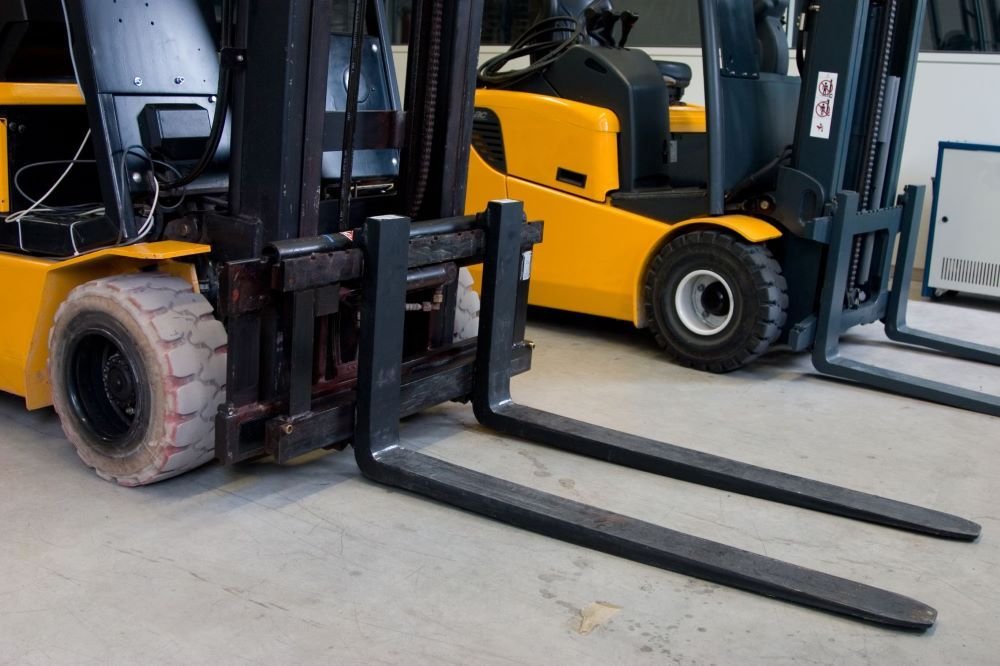
What are forklift tynes? Forklift tynes, also known as tines or forks, are the long metal arms that extend from the front of a forklift. These are essential for the functionality of the forklift, as they are used to lift, carry, and stack materials. The tynes slide under pallets or other loads, which can then be securely lifted and transported to a different location. They can be adjusted in width to handle different sizes of loads, and their length and strength vary depending on the forklift model and the weight of the load to be lifted. The tynes of a forklift, also known as tines, are composed of several integral parts that facilitate the lifting and transporting of loads. At the base, each tyne attaches to a mounting bar or carriage, which allows for the attachment to the forklift and provides the mechanism to adjust the distance between the tynes for handling different sizes of loads. The forks are secured to the carriage using (1) hooks, and the (2) pins on each fork lock it in place using the notches on top of the carriage bar. Extending from the base is the (3) shank, which is the vertical section that provides height and stability as the load is lifted. The horizontal part of the tyne, known as the (4) blade, is crucial as it directly supports and lifts the load. This blade is typically flat and smooth to easily slide under pallets and other types of cargo. At the (5) tip of the blade, there is often a slight upward curve or point, which helps to secure the load and prevent it from sliding off during movement. The (6) taper refers to the difference in thickness between the thickest part – (7) heel and the thinnest part (5) tip of the tyne. The thinner tips can fit into tighter spaces between pallet boards or into the openings of other types of cargo containers. These features work together to ensure the forklift operates efficiently and safely in a variety of material handling environments. How to choose the right size of tynes for a forklift? Choosing the right size of tynes (or forks) for your forklift involves considering several factors to ensure safe and efficient operation. Here are the key considerations – Can forklift tynes be adjusted? Yes, the pin lock plays a crucial role in attaching the tyne (or fork) to the carriage of a forklift. The pin lock mechanism ensures that the tynes are securely fastened to the forklift’s carriage, preventing them from sliding off during operations. By using a pin that fits through aligned holes on both the tyne and the carriage, the mechanism ensures that the tynes are firmly attached, enhancing the stability of the loads being lifted. This security is crucial not only for the safety of the operations but also for maintaining the efficiency of the workflow, as it prevents the tynes from moving independently of the carriage. Additionally, the design of the pin lock allows for flexibility in the positioning of the tynes, accommodating different sizes and shapes of loads. Operators can easily adjust the tynes along the carriage and secure them in place with the pin, making the forklift adaptable to various tasks without compromising safety or functionality. This simplicity and effectiveness in design make the pin lock a vital part of forklift operations. How often should forklift tynes be inspected? Forklift tynes should be inspected regularly to ensure they remain in safe working condition. The frequency of these inspections can depend on the usage and operating environment, but a general guideline includes – Ensuring that tynes are inspected regularly and maintained properly extends their lifespan and enhances the overall safety and efficiency of forklift operations. Heavy Lift Forklifts provides forklift servicing and forklift repair as well as sells forklift parts for sale and attachments. What are common problems with forklift tynes? Common issues include bending, cracking, or excessive wear. These can occur due to overloading, improper handling, or collisions with hard surfaces. Tynes Wear and Tear Regular use can lead to wear on the surface of the tynes, particularly at the heels and the tips. This wear can reduce the thickness of the tynes, compromising their ability to safely lift and carry heavy loads. Tynes Bending Improper handling, overloading, or collisions can cause the tynes to bend. Even a slight bend can significantly impair the forklift’s ability to function properly and safely. Cracks Stress from regular or improper use can lead to cracks in the tynes. These cracks are often found at points of high stress, such as the heel where the tyne attaches to the carriage. Cracks can weaken the structural integrity of the tynes and lead to failure during operation. Fork Misalignment Continuous use or accidental impacts can cause misalignment of the tynes, making it difficult to safely pick up and transport loads. Misalignment can also increase wear and tear on the forklift’s carriage and other structural components. Corrosion In certain environments, such as those with high moisture or corrosive materials, tynes can suffer from corrosion. This corrosion can weaken the metal and compromise the tyne’s strength and longevity. What safety precautions should be taken when working with forklift tynes? When working with forklift tynes, taking appropriate safety precautions is essential to prevent accidents and ensure efficient operation. Proper Training Operators must be properly trained and certified to handle forklifts and understand how to safely use the tynes. This includes training on load balancing, fork adjustment, and safe driving practices. Regular Inspections Conduct regular inspections of the tynes for signs of wear, damage, or deformation. This includes checking for cracks, bends, and excessive wear, especially at the heels of the forks. Correct Fork Positioning Ensure that the tynes are correctly positioned and securely attached to the forklift. Adjust the forks according to the size and shape of the load to distribute the weight evenly. Load Stability Always check the stability of the load before lifting. Make sure the load is balanced on the tynes and secured if necessary, to prevent shifting or falling during transport. Clear Visibility
What is a Counterbalance Forklift?
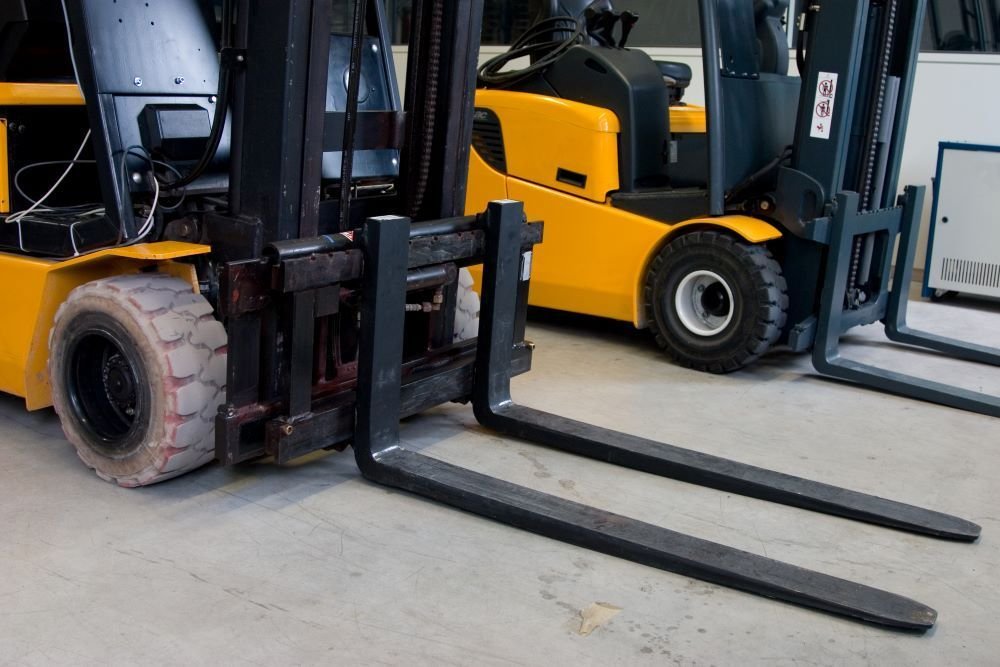
A counterbalance forklift is a type of forklift truck that is designed with a counterweight at the back of the vehicle. This counterweight balances the load to be lifted, which is carried at the front on the forks. This design allows the forklift to balance and stabilse itself without the need for outriggers or extra support, providing more flexibility in maneuvering and operating in tight spaces. The basic components of a counterbalance forklift include: Read more about the parts of a forklift… Counterbalance forklifts are one of the most common types of forklifts used in various industries for material handling tasks, such as loading and unloading goods, transporting materials across short distances, and stacking pallets. There are different models of counterbalance forklifts available to suit different working environments and tasks, including those designed for indoor use with electric power sources to minimise emissions and more robust models for outdoor use powered by diesel or gas. Counterbalance Forklift – Models & Brands Counterbalance forklift models vary widely across manufacturers, each offering unique features tailored to different operational needs. Below are some notable models from well-known brands, highlighting their diversity in power source, capacity, and specialised features: Toyota 8FGU25 A highly popular internal combustion counterbalance forklift from Toyota, known for its reliability and versatility. It offers a lifting capacity of around 5,000 lbs and is suitable for a wide range of material handling applications. Linde E20-E35 A series of electric counterbalance trucks by Linde, offering capacities from 4,000 to 7,700 lbs. These models are known for their energy efficiency, precision, and innovative safety features. Hyster S50CT A part of Hyster’s S series, the S50CT is an internal combustion counterbalance forklift designed for indoor and outdoor use, with a capacity of up to 5,000 lbs. It combines fuel efficiency with durability. Yale GLC050VX This model is known for its versatility and performance. It’s an internal combustion counterbalance forklift with a capacity of around 5,000 lbs, suitable for a wide range of applications. Jungheinrich EFG 220 An electric counterbalance forklift offering capacities up to 5,000 lbs. It’s known for its energy efficiency, ergonomic design, and comprehensive safety features. Mitsubishi FG25N A part of the FG series, this internal combustion counterbalance forklift has a capacity of around 5,000 lbs. It’s recognised for its robustness and ease of maintenance. Komatsu FG15HT-20 Offering a lifting capacity of approximately 3,000 lbs, this model is designed for high torque and performance. It’s an internal combustion counterbalance forklift suitable for a variety of applications. Doosan G25E-5 Part of the G series, this model is an internal combustion counterbalance forklift with a capacity of around 5,000 lbs. It’s designed for high performance and fuel efficiency. CAT GP25N A reliable and powerful internal combustion counterbalance forklift from Caterpillar with a lifting capacity of around 5,000 lbs. It’s known for its durability and ease of operation. Heavy Lift Forklifts in Melbourne offer a wide range of counterbalance forklifts for hire and new or refurbished counterbalance range for sale. How to Operate a Counterbalance Forklift Safely Operating a counterbalance forklift requires adherence to specific procedures and guidelines to prevent accidents and ensure the safety of the operator and others in the vicinity. Here are the key steps and safety considerations for operating a counterbalance forklift. Pre-Operational Inspection Understanding Forklift Mechanics and Load Handling Operating the Forklift Safety Procedures Specific Scenarios Post-Operational Procedures By following these guidelines, based on the comprehensive overview provided in the transcript, operators can significantly reduce the risk of accidents and ensure a safe working environment for everyone involved.
What is a High-reach Forklift?
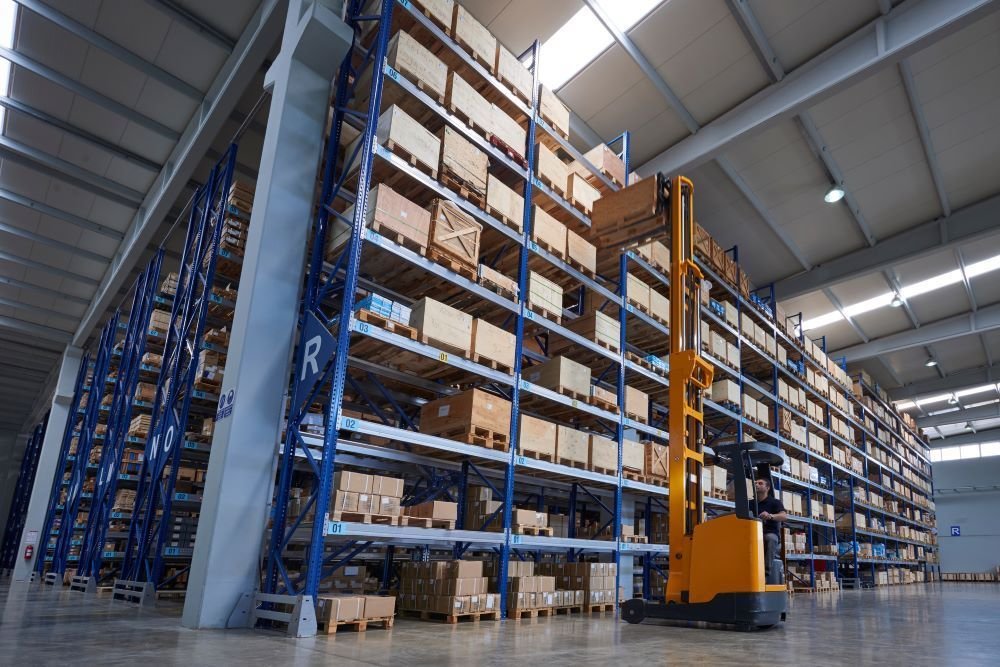
A high-reach forklift is a type of material handling equipment designed to lift loads to considerable heights that standard forklifts might not be able to reach. These forklifts are commonly used in warehouses and distribution centres where vertical storage space is maximised, allowing goods to be stacked at high levels. High-reach forklifts come in various designs, including telescopic, articulating, and standard mast configurations, each suited for different applications. The telescopic forklift, for instance, has a boom that can extend forwards and upwards, allowing it to reach into spaces that other forklifts cannot. An articulating forklift has a joint in the mast that enables it to bend, making it easier to navigate in tight spaces. Standard mast high-reach forklifts have masts that can extend vertically to lift loads to the desired height. High-reach forklifts have features like tilting and side-shifting capabilities to position loads precisely. They often have advanced safety features to ensure stability at high elevations, such as outriggers and sensors to monitor load weight and height. Given their complexity and the risks associated with lifting loads to great heights, these forklifts require specialised training to operate safely. Forklift vs High-reach Forklift The distinction between a standard forklift and a high-reach forklift primarily lies in their design and operational capabilities, especially in terms of the heights they can reach and their suitability for different working environments. Standard forklifts are generally designed for loading, unloading, and transporting materials at lower to moderate heights. These forklifts focus on providing a balance between lifting capacity, ease of use, and maneuverability in a range of settings. In contrast, high-reach forklifts are specifically engineered to handle tasks that require reaching greater heights. This is particularly useful in warehouses and distribution centres, where maximising vertical storage space is crucial. High-reach forklifts are equipped with different mast designs to lift heavy loads. These designs can be telescoping or articulating, enabling the efficient and safe extension of the forklifts upwards. Moreover, high-reach forklifts are designed with tighter turning radii and more precise handling capabilities at height, enabling them to navigate the narrow aisles and crowded environments typical of modern warehousing. Stability is a critical concern when operating at such heights, so these forklifts come equipped with specialised features like outriggers, counterbalance weights, and advanced sensors. These safety measures are essential to prevent tipping and ensure the operator and load remain secure when elevated. Given their specialised nature, operating a high-reach forklift requires more advanced training than what is needed for standard forklifts. Operators must understand how to maintain stability, navigate tight spaces, and manage loads safely above certain heights. This specialised training ensures that high-reach forklifts are used efficiently and safely in environments where high-density storage and optimal utilisation of vertical space are priorities. In essence, while both standard and high-reach forklifts play crucial roles in material handling and logistics, the high-reach forklift offers specific advantages for operations that demand working at higher elevations and in tight spaces. These capabilities demand a more specialised design and operational considerations to meet the unique needs of such tasks. Counterbalance Forklifts vs High-reach Forklifts There is also a significant difference between counterbalance forklifts and high-reach forklifts, primarily in terms of design, operational use, and the environments in which they are most effectively employed. Counterbalance forklifts are common in various industries. They lift loads without extending legs for stability. They’re compact, versatile, and can be used for loading, unloading, and stacking. They come in electric, diesel, and gas versions for indoor and outdoor use. High-reach forklifts, on the other hand, are designed specifically for reaching high shelves and stacking loads in narrow warehouse aisles. They typically feature a telescoping mast that allows them to lift loads to greater heights than counterbalance forklifts. High-reach forklifts are ideal for warehouses and storage facilities that utilise vertical space extensively. Unlike counterbalance forklifts, high-reach models often require a stabilising mechanism, such as outriggers or a straddle leg design, to ensure safety when lifting loads at high elevations. They are primarily electric-powered, making them suitable for indoor environments where emissions and noise need to be minimised. The primary difference between the two lies in their application and design focus. Counterbalance forklifts are more about versatile, straightforward lifting and moving tasks in a variety of settings, with a straightforward design that emphasises balance and maneuverability. High-reach forklifts specialise in vertical storage efficiency, focusing on safely reaching and maneuvering in the high shelves of warehouses and similar environments. Each type serves distinct needs within the spectrum of material handling and logistics, making the choice between them dependent on the specific requirements of the task at hand. Hyster R20HD High Reach Can handle tough terrains The Hyster Forklift, Model R20HD, is a versatile and reliable solution for your material handling needs. It has a nominal capacity of 2000kg and a mast lift height of 9500mm in a 3-stage configuration. With puncture-proof solid tyres, automatic single-speed transmission, and full hydrostatic steering, it provides precise control and smooth maneuverability. The included forks measure 1070mm, making it suitable for various load sizes and types. We offer flexible finance solutions to make it easy for you to acquire this high-quality forklift. BTRTX 35 Reach Forklift Reach new heights BTR Reach Stacker forklift with 7m lift and 1600kg capacity, 3-phase charger, new battery, fully serviced, and 12-month warranty on major drive train. Free delivery within Melbourne Metro. We have a wide range of high-reach forklifts for hire and for sale. Get in touch with Heavy Lift Forklift in Melbourne for more information.
Walk Behind Forklift Truck or a Walkie Stacker?
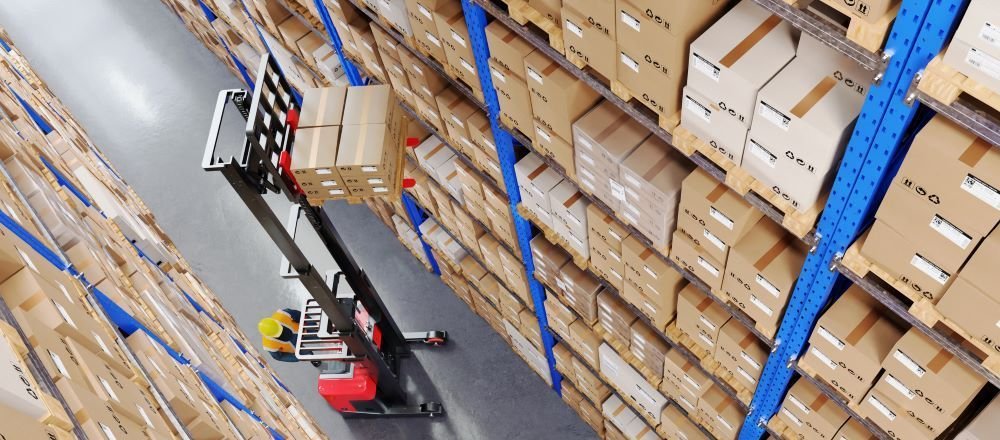
A walk-behind forklift, also known as a pedestrian forklift, walkie stacker, electric pallet truck, pallet jack or straddle truck, is a type of material handling equipment designed to move and lift palletised goods without requiring the operator to ride on the machine. Unlike traditional ride-on forklifts, the operator of a walk-behind forklift walks behind or beside the unit, controlling its movements using a handle that includes throttle and lifting controls. These machines are smaller and more maneuverable than ride-on forklifts, making them ideal for use in tight spaces such as narrow warehouse aisles and retail spaces. They are typically powered by rechargeable batteries, making them suitable for indoor use without the emissions concerns associated with internal combustion engines. Walk-behind forklifts and walkie stackers can vary in capacity, lift height, and functionality. Some are designed to lift and transport pallets a short distance at ground level, while others have mast and lifting capabilities to stack pallets or load them onto shelving units at various heights. The choice of a walk-behind forklift depends on the specific needs of the operation, including the weight of the goods to be moved, the required lift height, and the environment in which the forklift will be used. Need a Walk Behind Forklift Truck or a Walkie Stacker? CROWN Electric Walkie Stacker Optimised for Tight Spaces Crown’s heavy duty walkie pallet stackers are designed to be user-friendly and easy to operate, even in tight spaces. The stackers come equipped with innovative controls and a compact design that enhances maneuverability. Additionally, the SH, SHR, and SHC Series stackers feature a brake override feature that enables the truck to be controlled with the steering handle in a nearly vertical position, allowing for a tight turning radius. Hangcha Electric Pallet Truck hangcha Premium range Durable frame with welded forks for rigidity and a long life. It has dual lift/lower controls, a creep speed button, and a conductor belt. The compact design improves operation in limited space. The AC traction motor and Curtis control system are powerful, with high frequency control. The battery discharge indicator informs the operator of recharge requirements. The truck is sealed with IP54, and the back cover allows easy access to components. Contact us for full range or come visit us. Walkie Stacker & Pedestrian Walk Behind Forklift Truck – Types and Applications Walk-behind forklifts come in several basic types, each designed for specific applications within material handling and logistics. Here’s an overview of the most common types and their primary uses: Electric Pallet Jacks/Walkie Pallet Trucks Walk-Behind Stackers Walk-Behind Reach Trucks Order Pickers Each of these types of walk-behind forklifts has its advantages and is selected based on the operation’s specific needs, including the nature of the goods being handled, the layout of the storage facility, and the height of storage racks. The choice of forklift impacts the efficiency and safety of material handling tasks. Walkie Stacker & Pedestrian Walk Behind Forklift Truck – Safety Guidelines Operators must be appropriately trained and authorised by their company before operating a walkie stacker or straddle truck. Here are some safety guidelines for using Walkie Stackers & Pedestrian Walk Behind Trucks. You must conduct a thorough inspection at the beginning of each shift, checking both with the key off and on to ensure all parts are secure, in good condition, and functioning properly. This includes inspecting forks, wheels, battery, chains, cables, hydraulic systems, operational controls, safety reversing mechanism, and brakes. Maintain a safe distance from the equipment to avoid injury, ensuring proper control without standing too close to prevent the wheels from running over feet or legs. Understand the different methods of slowing down and braking the truck, including pushing the handle down or up and using the throttle twist grips. Become proficient in rear steering to maneuver the walk behind forklift safely in tight spaces. The load is straddled by outriggers, acting as balancing agents, similar to how legs straddle a box being lifted. Familiarise yourself with the data plate, which lists the truck’s load capacity and other vital information. Load capacity is based on a standard load centre of 24 inches, and for every 12 inches that the actual load centre increases, the load capacity decreases by 1,000 pounds. Understand the concepts of the centre of gravity, the combined centre of gravity, and the stability triangle. Know how various actions, such as lifting a load, tilting the forks, and turning, affect the truck’s stability. Keep the load close to the ground when moving and only raise it when necessary to complete the job. Avoid making sharp turns with a raised load, as this is considered the most dangerous maneuver due to the risk of tipping over. Also, be cautious when working near loading docks and ensure the dock plate is properly installed and secure. Be aware of the truck’s wheels at all times to avoid accidents. Keep loads above the outriggers, and be cautious of debris on the floor that can cause the truck to skid or lose control. Following these safety guidelines ensures the operator’s safety and the safety of those around them while using walkie stacker and straddle trucks. It emphasises the importance of proper training, daily inspections, understanding the equipment’s limitations, and adhering to safe operating procedures.
Parts of a Forklift and Their Function
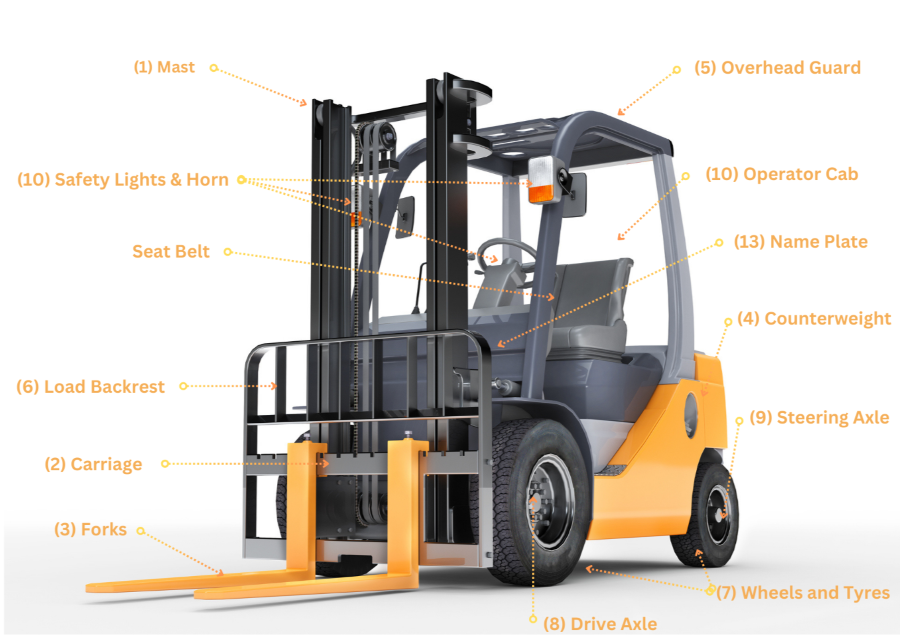
Forklifts are incredibly important in material handling as they provide the necessary lifting power and mobility needed to move heavy loads over short distances. A clear understanding of a forklift’s various parts and functions can help improve safety, efficiency, and maintenance practices. This article offers a complete overview of the essential components of a forklift, along with a detailed diagram that illustrates these parts. Key Components of a Forklift These components are externally visible and directly interact with the environment or the operator. Parts That Power the Forklift These components are essential for the forklift’s operation, powering its movements, and lifting mechanisms. 14. Power Source: 15. Transmission: Works with the power source to control the forklift’s speed and direction. The transmission is typically located between the engine and the rear axle, and it plays a crucial role in converting engine power into usable torque. 16. Hydraulic Pump: Powers the lift and tilt functions by moving hydraulic fluid through the system. Typically, forklifts are equipped with a gear-type pump comprising two interlocking gears that rotate to push the fluid in a direction opposite their rotation. The control valve is responsible for directing the fluid to its intended destination using spools and is considered the brains of the system. 17. Lift Cylinder: Enables the mast to raise and lower the load. 18. Tilt Cylinder: Allows the mast to tilt forwards or backwards for load manipulation. 19. Lifting Chain: Facilitates the lifting and lowering of the carriage and forks. 20. Battery (for electric forklifts): Stores electrical energy to power the electric motor and other electrical components Parts Servicing Regular maintenance and servicing are crucial for the safety and efficiency of forklift operations. Certain parts of a forklift must be serviced regularly to ensure the machine operates smoothly and safely. Here’s a breakdown of the components that typically require routine service: Power Source Components. Transmission System Mast and Movement Mechanisms Tires and Wheels Steering and Braking Systems Safety Features General Maintenance Regular maintenance not only extends the lifespan of the forklift but also prevents accidents and operational downtime. Always refer to the manufacturer’s maintenance schedule and specific service intervals and procedures guidelines. Contact Heavy Forklifts in Melbourne for forklift service and hydraulic repair. We also sell forklift spare parts and accessories.
5 Benefits Of An Electric Forklift
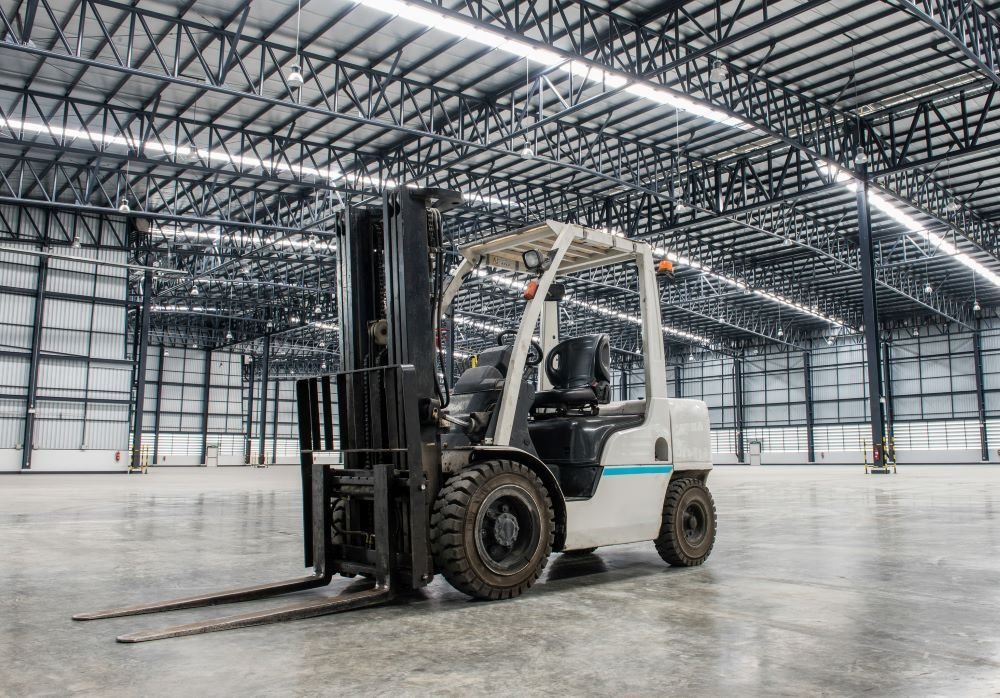
Electric forklifts – the preferred industry choice Why are electric forklifts so widely preferred in various industry sectors? Electric forklifts have become the preferred choice in the construction and building industry. They offer many advantages compared to gas-powered models, so purchasing an electric forklift in Melbourne is a great way to streamline your business operations and opt for an eco-friendly one. Why choose Electric Forklifts? Electric forklifts are the result of cutting-edge technology. They run on lead-acid-based batteries and offer high efficiency to the user. If you’re searching for a low-cost and reliable lifting solution for your worksite, consider choosing an electric forklift. Benefits of choosing an Electric Forklift Zero Emission Electric forklifts are the right option for environmentally conscious people. By using electric forklifts you minimise your carbon emissions significantly. The lead-acid batteries present in the forklifts are completely recyclable and highly energy-efficient. Optimised Controls The electric forklifts are made for safe performance. The innovative regenerative braking system allows the operator to handle the lifting equipment precisely and safely. The forklift stops once the operator takes the foot off the accelerator. Such optimised controls make the electric forklift a perfect fit for your work environment. Lower Maintenance Apart from the lower cost, you’ll be happy to know that electric forklifts are also easy to maintain. They consume less fuel and need less maintenance as compared to other models. They contain fewer moving parts, and you don’t have to worry about replacing engine oil and filters occasionally. This means less downtime and more work. Improved Safety and Convenience The reason why electric forklifts are gaining popularity is that they improve workplace safety. They produce zero emissions and have no exhaust, so no harmful gases are released. The forklifts are also very quiet, which makes it easier for your staff to work and coordinate, as loud noises can be distracting. The electric forklift is gentle on the ears and won’t cause hearing damage. Another benefit is the reduced operating costs and less servicing. Great for Heavy Applications The electric forklifts are ideal for heavy-duty applications. With reduced battery charge, the forklifts run for a longer time. You can use the forklift until the voltage gets low and the batteries need recharging. So, for heavy-duty material handling applications, choose electric forklifts. Looking to buy an electric forklift? Heavy Lift Forklifts in Melbourne offers high-end material handling equipment to help keep your on-site projects running. We bring a range of highly versatile and efficient forklift models and accessories.
What to Look for When Buying a Used Forklift (Before You Commit)
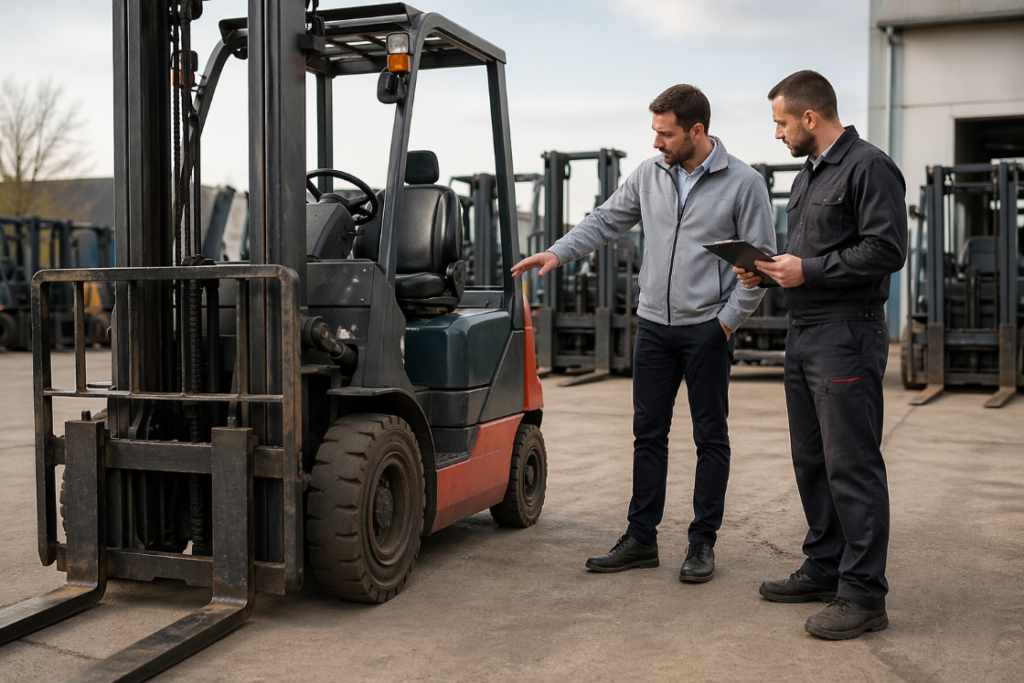
Buying a used forklift can look like an easy way to save money. And in many cases, it is. But the gap between a good deal and a costly mistake is smaller than most people expect. Two machines can look almost identical on the surface, yet one will run reliably for years while the other starts causing issues within weeks. The tricky part is knowing what actually matters when you’re standing in front of a forklift. It’s not just about hours on the clock or how clean it looks. Condition, past use, and how well it’s been looked after all play a bigger role than most buyers realise. Do you know what to pay attention to before you commit? Keep reading to find out more, avoid downtime, unexpected repair costs, and buying something that doesn’t do the job. Why Buying Used Can Make Sense (And When It Doesn’t) A used forklift can be a smart move when it lines up with how you actually plan to use it. If the machine is only needed for a few hours a day, as a backup unit, or for short-term work, there is often no reason to pay for something brand new. You can get solid performance at a lower upfront cost, and in many cases, the machine has already taken its biggest depreciation hit. It also makes sense when you know exactly what you need. If your loads, lift heights, and working environment are consistent, a well-matched used forklift can do the job without overcomplicating things. Where things change is when the forklift is going to be pushed hard every day. High-hour usage, tight deadlines, and demanding environments tend to expose wear much faster. What looked like a saving upfront can turn into ongoing repairs, downtime, and lost productivity. This is also where the source of the forklift matters. A privately sold machine might be cheaper, but you are taking on all the risk. On the other hand, buying from a supplier that properly inspects and services their forklifts can remove a lot of that uncertainty. For example, a fully serviced, OHS-compliant forklift that has been checked over before sale gives you a much clearer starting point. Add in ongoing support like mobile repairs and maintenance, and it becomes a lot easier to keep things running without unexpected disruptions. If you are operating across Melbourne, practical factors like support and delivery also come into play. Having access to a local team and options like metro delivery can make the process smoother and reduce downtime from day one. There is also the question of how long you plan to keep it. If the forklift is meant to be part of your operation for years, the gap between buying used and buying new starts to close. Reliability, warranty, and lower maintenance become more important over time. The decision is not just about price. It comes down to how the forklift will be used, how much risk you are willing to take on, and whether short-term savings outweigh long-term costs. Start With Your Actual Requirements (Not the Price Tag) Before you even look at a specific used forklift, take a step back and think about the job it needs to do. This sounds obvious, but a lot of buyers skip it and end up trying to make the wrong machine work. The reason this matters when buying used is simple. You don’t get the option to order something built to spec. You’re choosing from what’s available. If you’re clear on your requirements first, it becomes much easier to rule out machines that won’t suit, even if they look like a good deal at first glance. When you’re dealing with a supplier like Heavy Lift Forklifts, this is something that won’t be glossed over. You’ll be asked the right questions upfront so you don’t end up with a machine that’s not suited to your work. It’s a small step, but it makes a big difference once the forklift is on site and expected to perform. Getting this part right early saves you from forcing a forklift into a job it wasn’t meant for, which is where most problems start. Hours vs Condition: What Really Tells You More One of the first things people ask when buying a used forklift is, “How many hours has it done?” It’s a fair question, but it doesn’t tell the full story. Hours give you a rough idea of usage, but they don’t show how that time was spent. A forklift with higher hours that’s been used for light warehouse work and serviced regularly can be in far better shape than a low-hour machine that’s been pushed hard, overloaded, or poorly maintained. This is where people often start looking at terms like “used” and “refurbished”. A used forklift simply means it’s had a previous owner. A refurbished one has had work done to bring it back to a better standard. The catch is that “refurbished” can mean very different things depending on who’s selling it. Sometimes it’s a proper mechanical going-over. Other times it’s little more than a clean-up and basic service. That’s why condition matters more than both the hours and the label. What you want to know is what’s actually been done to the forklift before it gets to you. When you’re looking at a machine, focus on how it runs, how it lifts, and how it feels to operate. Check for wear in key areas like the mast, forks, tyres, and hydraulics. A forklift that’s been looked after usually shows it straight away. This is also where buying from the right supplier makes a difference. For example, when a forklift has been fully serviced and brought up to OHS compliance before sale, you’re not taking on the same level of risk as buying something straight off a private seller. It means the machine has already been checked over properly and is ready to go to work. Service history plays a big role here as well. Regular maintenance, recorded properly, is often a better sign than a low hour count on its own. At the end of the day, the goal isn’t to find the forklift with the lowest hours or the best-sounding
How to Find Top-Of-The-Line Electric Forklifts
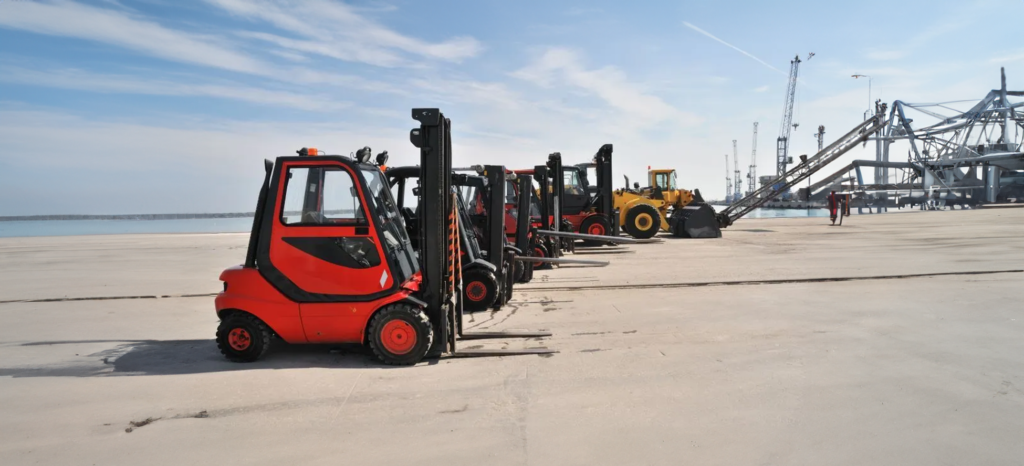
Best electric forklifts for material handling An electric forklift runs on a rechargeable battery; it is efficient, environmentally friendly and easier to maintain. If you’re looking for a fleet of forklifts to enhance your workspace productivity and simplify your day-to-day business operations, you must know how to recognise the best electric forklifts when for sale. This blog provides 4 effective ways to find high-quality electric forklifts for material handling. So, whatever your forklift requirements may be, using these tips, you can select the right forklift for your next commercial venture. Supplier’s reputation When it comes to choosing the best electric forklift for sale, you must gather as much information as you can about the suppliers. Ask for references from friends or family. Conduct online research to shortlist the top five suppliers in and around your area. Once you have the list of suppliers, compare 2 or more the forklift machinery and their features. Is there a noticeable price difference offered by various suppliers? Have you reviewed the supplier’s warranty and return policy? Having such information will help you find a trusted forklift supplier and choose from a wide range of forklifts. Tip! Read customer reviews and testimonials online. Review the top-rated brands Does the supplier specialise in a particular forklift brand? With so many brands online and offline, you may get confused between the forklift models. It is best to compare the features, applications and weight load capacity of the electric forklift for sale. Determine which forklift brand is preferred by your supplier and why. A branded forklift will not only improve your productivity but will also help you create a safe work environment for your employees. Features to be considered – Tip! Talk to forklift specialists or suppliers for price and feature comparison. On-site services To choose the top-of-the-line electric forklift for sale, select a supplier offering superior customer support services. After-sales support is very important as you can access on-time assistance and expert advice. This way, you can maximise your forklift equipment’s life and the company’s productivity and uptime. Make sure you have accurate contact details in case of emergency. Tip! Find out if the supplier offers customer support services through e-mail or phone. Average turnaround time What is the turnaround time of the supplier? Find out how quickly the supplier can get and deliver spare parts or accessories. Can you rely on the supplier for a quick turnaround in an emergency? Choose a supplier that offers fast deliveries in and around your area. Tip! It would help if you had the support of a team that is available 24/7 to assist you. Heavy Lift Forklifts provides a range of electric forklifts for sale with detailed product descriptions and prices to streamline business operations and meet customer needs.